Cavities, or tooth decay, aren’t just a childhood concern. In fact, 1 in 5 adults aged 20 to 64 have untreated tooth decay. At Shrewsbury Dental Associates (SDA), we take prevention and treatment seriously no matter your age.
Before answering "what do I do if I have a cavity?," let's start by learning how to spot cavities.
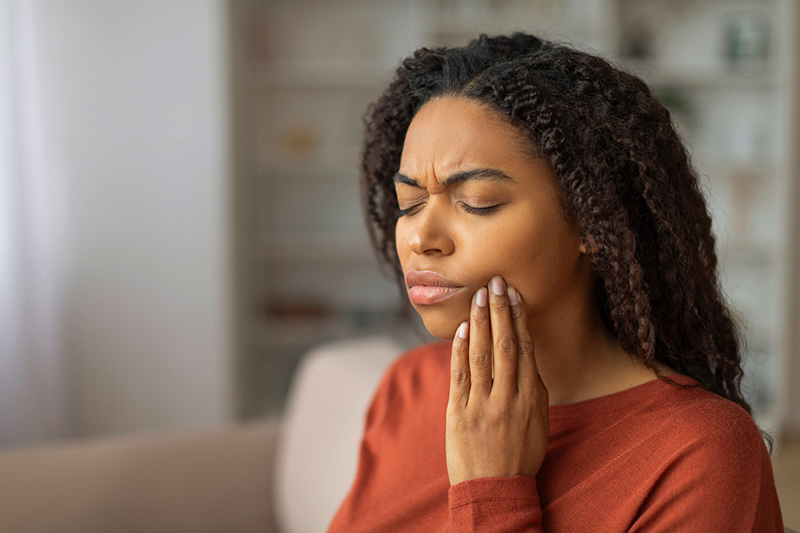
You may have a cavity if you’re experiencing a toothache or pain, increased sensitivity to hot or cold, or notice a visible dark spot, stain, or small hole in a tooth. However, cavities don’t always cause noticeable symptoms, especially in their early stages. That’s why regular dental visits are so important for catching cavities before they become more serious.
If you’re concerned about a cavity, contact us to schedule an appointment. Our team can examine your teeth, identify any areas of concern, and recommend the right treatment.
If you have a cavity, seek treatment! Cavities can develop for a variety of reasons, from poor oral hygiene to pre-existing medical conditions. Whatever the cause, SDA offers a range of services to meet your needs:
• Fillings: A dental filling restores a tooth affected by decay by removing the decayed portion of the tooth and replacing it with a composite resin filling.
• Dentures: Custom full and partial dentures replace missing teeth and rest comfortably on your gums, making it easier to chew, eat, and talk.
• Full-Mouth Reconstruction: A full-mouth reconstruction involves a personalized treatment plan designed to rebuild or restore your entire smile.
SDA is here whenever a cavity needs treatment, but you can also defend against needing those services again through your at-home oral hygiene routine. Following these tips can go a long way toward protecting your teeth for years to come:
• Avoid tobacco products, which slow healing and increase your risk of decay and gum disease.
• Avoid alcohol consumption, since it can dry out your mouth and reduce the saliva that naturally protects your teeth.
• Cut back on foods and drinks with added sugar, which feed the bacteria that cause cavities and erode enamel over time.
• Drink fluoridated tap water to help strengthen your enamel and rinse away food particles.
• Drink plenty of water throughout the day to keep your mouth moist and promote the steady production of saliva.
• Brush with fluoride toothpaste to give your teeth an extra layer of protection against decay.
• Brush twice a day and floss daily to remove plaque before it has a chance to harden and cause damage.
• Brush for two minutes, or thirty seconds per quadrant of your mouth.
None of these habits need to be complicated or time-consuming. Small, consistent changes are essential for preventing cavities, in addition to occasional deep cleanings.
Certain pre-existing health conditions can also affect your oral health, making some patients more prone to decay than others.
Conditions like eating disorders (including anorexia and bulimia), type 1 or type 2 diabetes, autoimmune conditions, gastroesophageal reflux disease (GERD), and celiac disease can all contribute to cavities and tooth decay. These conditions can also affect saliva production, enamel strength, or your body’s ability to fight infection and heal.
If you’re managing one or more of these conditions, extra attention to your oral health can make a real difference. At SDA, we’ll work with you and your doctors to best care for your needs.
At-home habits matter, but they don’t replace professional care. Visiting our office every six months for a routine dental cleaning and exam allows us to catch small issues before they become bigger, more costly problems. During your visit, we’ll check for early signs of decay, evaluate your gum health, and remove plaque and tartar buildup that brushing and flossing alone can’t reach.
Depending on your needs, we may also recommend additional preventive measures, such as a fluoride treatment or dental sealants, to give your teeth extra protection between visits. If you have a health condition that puts you at a higher risk for cavities, we can tailor a prevention plan specifically to your needs, adjusting the frequency of visits and the treatments we recommend.
If you haven’t been seen in a while, are a new patient, or have a new dental concern, please contact us today to schedule your next visit!